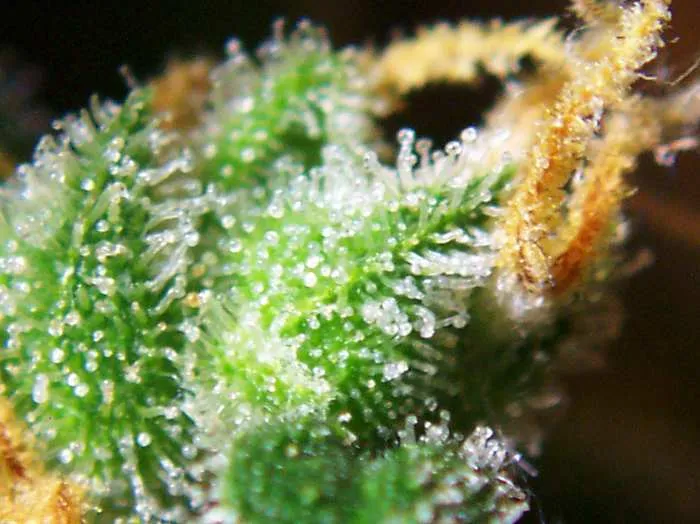
Curate Your Collection: How to Build a Personal Strain Library Like a Serious Cannabis Connoisseur
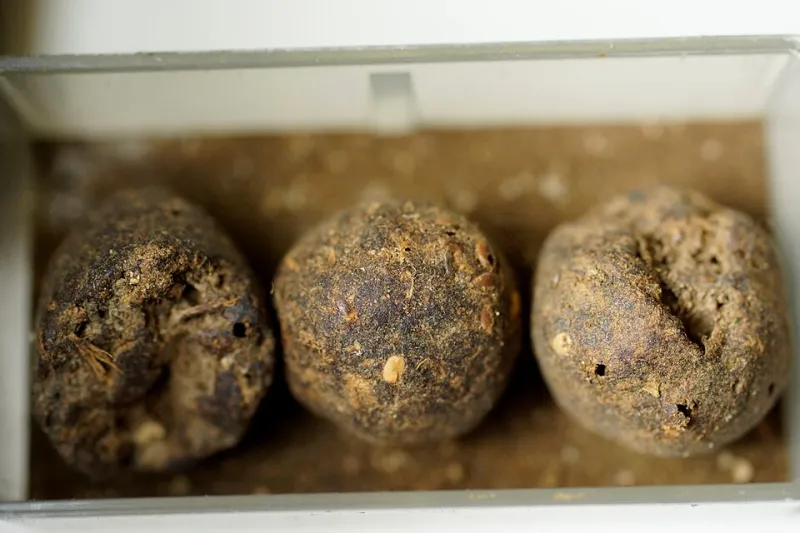
Photo: Sasha Taylor, CC BY-SA 2.0, via Wikimedia Commons
There's a certain kind of cannabis enthusiast who's moved past the "whatever looks good in the case" phase. They know what they like, they know why they like it, and they've got a system. Their stash isn't a pile of half-empty jars with illegible labels — it's a living, breathing archive. A strain library.
If that sounds like the kind of collector you want to be, this guide is your starting point. Think of it as the StonerWiki blueprint for going from casual consumer to genuine cannabis curator.
Why a Strain Library Is Actually Worth Building
Here's the honest case for taking your collection seriously: cannabis is wildly complex. We're talking hundreds of identified terpenes, dozens of cannabinoids, and an almost infinite number of genetic combinations that produce completely different experiences. When you just grab whatever's available, you lose the thread. You can't compare. You can't learn.
A curated strain library lets you do something most casual consumers never get to do — study the plant over time. You start noticing patterns. You realize that every time you grab something heavy in myrcene, you end up on the couch. You discover that a particular small-batch grower out of Oregon consistently produces flower that hits differently. You build knowledge that's actually yours, not just borrowed from a budtender.
And honestly? There's something deeply satisfying about opening a well-organized collection. It's the same energy as a vinyl record wall or a stocked wine cellar. It signals intention.
Step One: Decide What You're Actually Collecting
Before you start buying everything that sounds interesting, define your focus. The best strain libraries have a curatorial perspective — a reason why certain things are in the collection and others aren't.
Some collectors focus on landrace and heirloom genetics — the OG cultivars that predate modern hybridization, like Durban Poison, Afghani, or Colombian Gold. Others chase limited-edition drops from boutique cultivators who release small batches the way sneaker brands drop exclusives. Some people build around terpene profiles, collecting strains that represent the full spectrum of dominant terpenes so they can compare the experiences side by side.
You could also collect by effect category — a section for creative flow strains, a section for sleep aids, a section for social enhancers. This makes your library genuinely functional, not just impressive to look at.
There's no wrong answer. But having a framework keeps you from just accumulating random stuff.
Sourcing Rare and Limited Cultivars
Once you know what you're collecting, the hunt begins. And this part is genuinely fun.
For rare genetics in legal states, your best sources are:
- Boutique dispensaries that carry small-batch, craft cannabis. These shops often have relationships with micro-cultivators who grow limited runs of unique genetics. Ask the staff specifically about limited or single-harvest strains.
- Cannabis events and expos like Hall of Flowers in California or state-level competitions. Growers often sell or sample exclusive genetics at these events, and it's one of the few places you can actually talk directly to the people growing your weed.
- Seed banks and clone sources if you're growing your own. Preserving genetics through seeds is how serious collectors maintain access to cultivars that might otherwise disappear from the market entirely.
- Online cannabis communities — subreddits, Discord servers, and forums dedicated to specific genetic lineages are full of enthusiasts who trade information (and sometimes seeds, depending on your state's laws) about hard-to-find cultivars.
The key is building relationships. The cannabis world runs on community. When you're known as someone who's genuinely curious and knowledgeable, people start bringing things to you.
Preservation: Keeping Your Collection Alive
This is where a lot of would-be collectors fall apart. You can source the most incredible flower in the world, but if you're storing it in a plastic bag on a sunny windowsill, you're wasting it.
Cannabis degrades over time primarily through exposure to heat, light, humidity, and oxygen. THC converts to CBN (which produces a more sedative, less euphoric effect), terpenes evaporate, and the overall experience flattens out.
Here's what actually works for long-term storage:
Airtight glass jars are your foundation. Mason jars are fine. UV-resistant glass is better. Avoid plastic — it creates static that pulls trichomes off the flower, and it can leach chemicals over time.
Humidity control is non-negotiable. Boveda or Integra Boost packs in the 58–62% RH range are the industry standard. Too dry and your terpenes evaporate; too humid and you risk mold. Check your packs regularly and replace them when they harden.
Temperature and light matter more than most people think. A cool, dark environment — ideally around 60–70°F — dramatically slows degradation. A dedicated cabinet, a drawer away from appliances, or even a small wine fridge (set to the right temp) works great. Never store near a stove, a window, or anything that generates heat.
For very long-term preservation of rare genetics, some serious collectors vacuum-seal samples and freeze them. This is controversial — freezing can make trichomes brittle and more likely to break off — but if done carefully with properly dried and cured flower, it can preserve genetics for years.
Cataloging Your Collection: The System That Makes It Real
A strain library without documentation is just a bunch of jars. The cataloging system is what transforms your collection into something you can actually learn from.
At minimum, every sample in your collection should be labeled with:
- Strain name and genetic lineage (if known)
- Cultivator/brand and source
- Harvest or purchase date
- Cannabinoid and terpene data from the lab report (save these — most dispensaries provide them, and they're gold)
- Storage conditions and date opened
Beyond the label, keep a strain journal — either a dedicated notebook or a digital system. Apps like Leafly and Strainprint have logging features, but honestly, a simple spreadsheet works just as well and gives you more control. Record your tasting notes (aroma, flavor, visual appearance), your subjective experience (onset, duration, effects), and any observations about how the strain changes over time as it ages in your collection.
This documentation pays dividends. After six months of consistent logging, you'll start seeing patterns in what works for you that no algorithm or budtender recommendation could surface.
Displaying and Sharing Your Collection
Part of what makes any collection meaningful is being able to share it. A strain library is a conversation starter, a teaching tool, and a way to connect with other enthusiasts who take the plant as seriously as you do.
Consider dedicating a shelf or cabinet specifically to your collection — something that's organized and accessible when friends come over. A cannabis tasting session with a curated flight of strains, proper tasting notes, and a little context about each cultivar is genuinely one of the cooler experiences you can host.
The cannabis sommelier isn't some pretentious character — they're just someone who's put in the time to understand what they're consuming and wants to share that knowledge. Building a strain library is how you become that person.
Start with one great jar, document it properly, and let the collection grow from there. The plant rewards curiosity.