How to Actually Know What You're Buying: Building a Cannabis Buyer's Instinct That Never Fails You
Walking into a dispensary without a framework is like walking into a record store with no idea what you like and asking a stranger to just pick something. Maybe you get lucky. More often, you walk out with something that technically plays music but doesn't move you at all.
The good news is that building genuine cannabis buying instinct — the kind where you can scan a menu, ask two questions, and know exactly what's going to work — is a learnable skill. It's not about memorizing strain names or chasing THC numbers. It's about learning to read the actual signals that matter.
Stop Trusting Strain Names, Start Tracking Cultivators
The single most effective upgrade you can make to your cannabis selection process is shifting your loyalty from strain names to growers. Here's why: a strain name tells you almost nothing reliable. "Runtz" grown by a boutique craft farm in the Emerald Triangle is a fundamentally different product than "Runtz" produced at industrial scale in a warehouse somewhere. Same name, completely different experience.
A cultivator's reputation, on the other hand, is something you can actually track and rely on. Craft growers who care about their product tend to produce consistent results across their catalog. When you find a farm that consistently delivers the flavor and effect profile you love, buying anything they grow becomes a much safer bet than chasing a familiar strain name from an unfamiliar source.
At your dispensary, start paying attention to the "grown by" line on the label. Make a mental note — or an actual note — when something from a specific farm lands well. Over time, you'll develop a short list of cultivators whose work you trust, and that list becomes your most reliable shopping tool.
Red Flags in Lab Testing You Should Actually Know
Lab reports are supposed to be the objective anchor in a market full of subjective claims, but they're not immune to manipulation. Here are the specific red flags worth watching for:
Suspiciously uniform THC percentages across an entire brand's catalog. If every single product from one producer comes back at 28-32% THC regardless of strain, that's statistically unlikely and worth skepticism. Legitimate testing produces variation.
Missing or thin terpene panels. Some states don't require terpene testing, so absence isn't automatically a red flag — but if you're choosing between two products and one has a full terpene breakdown while the other only shows THC/CBD, the one with more data is almost always the better-informed purchase.
Testing dates that are months old. Terpenes degrade over time. A flower that tested at 2.5% total terpenes six months ago may be significantly less expressive today. Look for recent test dates and pay attention to harvest and packaging dates when available.
No pesticide or microbial panel. This varies by state, but in markets where comprehensive testing is required, a COA that skips these panels is worth a second look. Ask the budtender if you're unsure what testing is legally required in your state.
Developing Flavor and Effect Memory
Here's the thing about building a mental database of strains: your brain is actually pretty good at this, but only if you give it the right inputs at the right time.
The most useful thing you can do is pause for about 30 seconds after your first inhale or first hour into an edible and consciously name what you're experiencing. Not "this is good" — that's not a data point. Try to get specific: is there a citrus note? An earthiness? Does the effect hit your eyes first or your body? Is there a mood shift before a physical shift?
This practice of conscious, specific observation builds sensory memory far faster than passive experience. You're essentially training your brain to file experiences with richer metadata, which means better recall when you're standing at a dispensary counter trying to remember whether you liked the last myrcene-forward indica you tried.
A simple notes app works fine for this. You don't need a fancy journal (though we've covered those too). Just: strain name, grower, dominant terpenes if you have them, and two or three specific descriptors. Do this consistently for a month and you'll have a personal reference library that beats any review site.
Building a Relationship With Your Budtender (Without Being Weird About It)
Good budtenders are genuinely underutilized resources, and the main reason people don't use them well is that they don't know how to ask useful questions. "What's good?" is a dead end. Here's how to get actually useful information:
Tell them what worked before, specifically. "I had something from [Farm Name] a few months ago that was really citrusy and gave me a clear-headed, focused energy — do you have anything similar?" That's a question a good budtender can actually work with.
Ask about the farm's reputation in the industry. Budtenders who love their job will often have opinions about which local or regional growers are consistently excellent. These recommendations are more valuable than any online review because they're based on direct product knowledge and customer feedback.
Ask about recent arrivals. Fresh product is almost always better than what's been sitting. A budtender who mentions something that just came in this week is giving you a genuine tip.
Be honest about your tolerance and goals. There's no judgment in a good dispensary. If you tell a budtender "I have a pretty high tolerance and I'm looking for something that actually feels like something," they can direct you to high-terpene, complex-profile products rather than just pointing at the highest THC number on the shelf.
Creating Personal Comparison Shortcuts
Once you've got a few strains you genuinely love, use them as anchors. Pick one sativa-leaning daytime strain you love and one indica-leaning evening strain you love, and use those as your personal reference points when evaluating anything new.
When a budtender describes something to you, ask: "Is it more like [your anchor strain] or [other anchor strain] in terms of the effect?" This kind of comparative framing cuts through vague descriptions and gets you useful information faster than any other technique.
You can do the same thing with flavor: if you know you love the citrus-pine profile of a Jack Herer-adjacent strain, that's your flavor anchor. Tell budtenders what you like and ask them to point you toward similar terpene profiles.
Spotting the Difference Between Hype and Quality
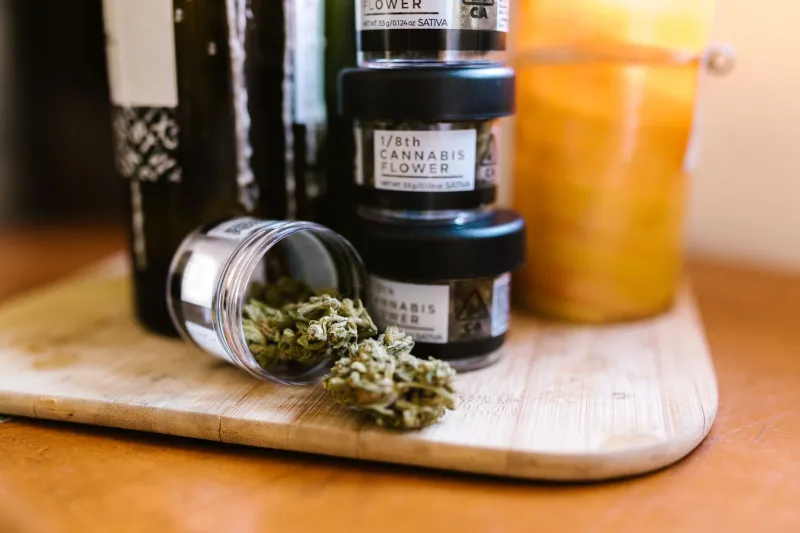
Cannabis packaging has gotten genuinely beautiful, and that's mostly a good thing — but it's also worth keeping your critical eye sharp. Premium packaging doesn't guarantee premium product. Conversely, some of the best craft cannabis comes in relatively understated packaging because the farm spent their money on the grow, not the graphic design.
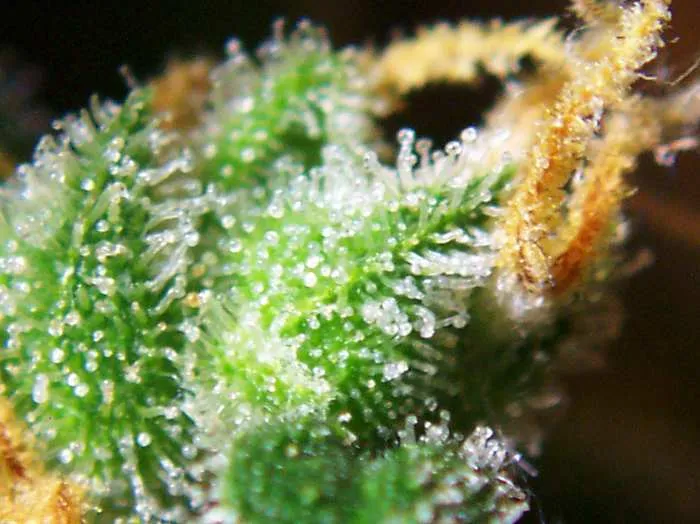
The signals that actually matter: smell through the jar if you can (a good dispensary will let you open a display jar), look for visible trichome coverage, notice whether the flower looks properly cured (not bone dry, not damp), and check the harvest date. These sensory and data checkpoints will serve you better than any Instagram-worthy label.
Building real buyer's instinct takes a few months of intentional attention. But once it clicks, you'll walk into any dispensary — in any state — and know exactly what questions to ask and what signals to trust. That's when shopping for cannabis stops being a gamble and starts being genuinely fun.