Follow the Money: What Corporate Weed Means for Your Wallet and Your Stash

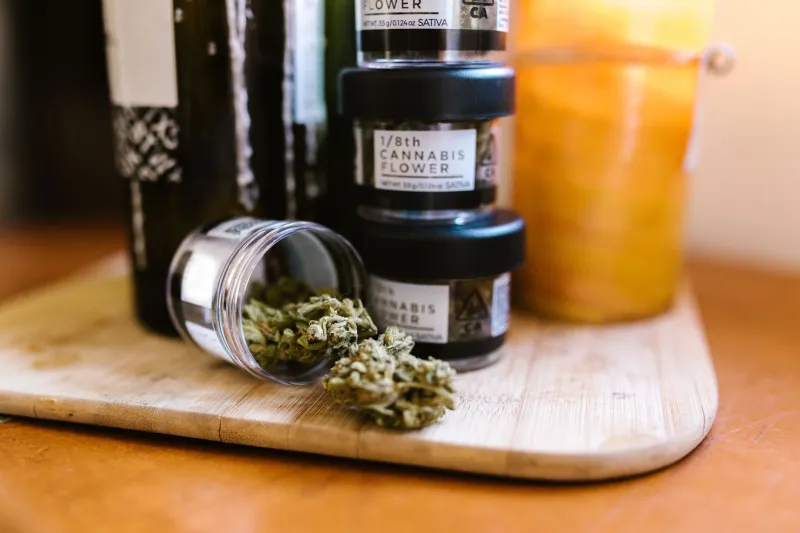
Photo by Photo by Cova Software on Unsplash on Unsplash
Twenty years ago, buying weed meant knowing a guy. Today it means walking into a dispensary with LED-lit displays, a budtender with an iPad, and a menu of live rosin carts with names like a wine list. Cannabis is legal for recreational use in a growing stack of states and generates billions in legal sales annually. That transformation has been great for some things and rough for others — and if you're a consumer, understanding the business side directly affects the quality of what's in your jar.
Why the Same Eighth Costs $20 in One State and $60 in Another
Cannabis pricing in the US is a patchwork mess, and it's not random:
- Supply and licensing: States that limited dispensary licenses (looking at you, early New York and old-school Illinois) created artificial scarcity and jacked up prices. States that went wide open, like Oregon, flooded the market and crashed prices — sometimes so hard that craft growers went out of business anyway.
- Taxes: Some states stack excise taxes, sales taxes, and local taxes on top of each other, adding 30%+ at the register. California's byzantine tax structure is a masterclass in how to make legal weed more expensive than street weed.
- Vertical integration: States that forced companies to grow, process, and sell under one roof (Florida's model) concentrate the market in a few corporations — convenience for them, fewer choices and higher prices for you.
The takeaway: the same genetically identical strain can cost wildly different amounts depending purely on where you're standing.
Big Cannabis Is Here — For Better and Worse
Multi-state operators (MSOs) now run dispensary chains the size of regional grocery networks, and some are publicly traded. Meanwhile, federal legalization talk keeps institutional investors circling. There are real upsides: consistent lab testing, product safety, professional retail, jobs that come with actual paychecks.
But there's a squeeze happening too. Large operators with cheaper production costs can undercut small craft growers, and the middle class of cannabis — the mom-and-pop farm that cared obsessively about a single phenotype — is getting thinner. Meanwhile, the legacy market, the underground growers who built cannabis culture for decades, largely got locked out by licensing fees and zoning rules that favored people with capital.
When you buy craft-grown flower from a small brand, you're often voting for the people who treat weed like wine rather than like wheat.
Marketing Hype vs. Actual Quality
Big business brought big marketing, and some of it is genuinely misleading. Your B.S. detector should flag:
- Strain name worship: "Girl Scout Cookies" from one grower can be wildly different from another. Names aren't standardized — the lab results and the grow are what matter.
- THC inflation: Lab shopping (dispensaries picking labs that overreport THC) is a known industry problem. A flower testing at 34% THC should raise an eyebrow, not open your wallet. Aromatic, well-grown flower in the mid-20s will outperform dusty 30%+ anything.
- "Premium" packaging: Beautiful boxes and expensive jars are part of your price. Sometimes that's craft care; sometimes it's marketing makeup.
- Vague "premium" labels with no COA: If a brand won't show you a certificate of analysis from a real lab, they're hiding something. Full stop.
How to Shop Like a Pro in the New Market
- Read lab results, not labels. Terpene percentages tell you more about effect and flavor than THC numbers ever will.
- Buy flower by weight, price the gram. Compare per-gram costs across tiers — the "top shelf" markup isn't always justified.
- Ask who grew it. Budtenders usually know. Small-batch craft flower is often fresher and better cured than mass-market product that sat in storage.
- Watch for sales and clearance. Legal weed has inventory turnover issues; dispensary deals are real and perfectly safe.
- Support the little guys when it counts. Small brands and social-equity licensees are how the market stays diverse and interesting.
The Bottom Line
Cannabis went from counterculture to commerce in a single generation, and the dust hasn't settled yet. Prices will keep falling as more states legalize and supply chains mature — that part is good for everyone. The risk is a future where weed becomes the equivalent of big-brand beer: consistent, boring, and owned by three corporations.
You, the consumer, get a vote every time you buy. Spend it like it matters — because in this market, it actually does.