Don't Let Your Dank Turn to Hay: The Real Science of Keeping Flower Fresh

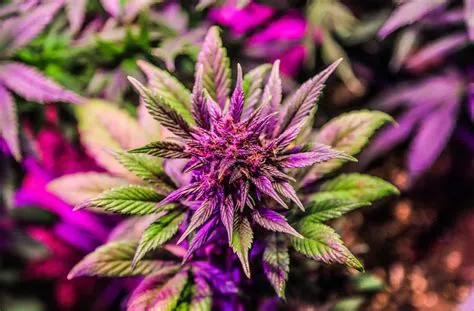
Photo by Photo by runda choo on Unsplash on Unsplash
You dropped real money on that eighth. Maybe it's a hand-trimmed craft cultivar from a boutique grow, maybe it's just your reliable weekday workhorse. Either way, it deserves better than getting forgotten in a coat pocket until it crumbles like autumn leaves.
Cannabis isn't a Twinkie. It's a perishable agricultural product, and it starts losing the fight against time the moment it's sealed in that jar at the dispensary. The good news? Degradation is predictable, which means it's beatable. Let's break down the four horsemen of stale stash — and how to send them packing.
The Four Things Ruining Your Weed Right Now
Light. UV rays are the single biggest killer of THC. Studies going back to the 1970s showed cannabis left in sunlight can lose the vast majority of its THC within months. Think of it like sunscreen in reverse — the sun literally bleaches the good stuff out. That's why dispensary jars are dark and why the sunny windowsill is the worst real estate in your home.
Humidity. This is the Goldilocks variable. Too wet (above ~65% RH) and you're cultivating mold and ammonia notes. Too dry (below ~55%) and terpenes evaporate, leaving behind that brittle, hay-scented disappointment. The sweet spot sits around 58–62% relative humidity — the range where flower stays springy, fragrant, and smooth.
Temperature. Heat accelerates every chemical reaction you don't want: terpene evaporation, cannabinoid breakdown, mold growth. Anything above 70°F is working against you. Your stash should live somewhere cool and stable, not on top of your gaming PC.
Oxygen. Exposure to air slowly oxidizes THC into CBN — the sleepy cannabinoid. That's why ancient weed doesn't get you high so much as it puts you into a nap-shaped coma. A little air in the jar is fine; a jar that's half empty and reopened daily is a slow-motion degradation chamber.
Glass vs. Plastic vs. Everything Else
Let's settle the container debate:
- Glass jars with airtight seals (mason jars, UV-resistant glass): The gold standard. Inert, non-porous, doesn't leach static or odors. Amber or violet glass adds UV protection if your storage spot sees any light.
- Plastic bags and containers: Acceptable for a day, terrible for a month. Plastic traps trichomes via static, lets in oxygen over time, and can impart flavor. A grinder-adjacent emergency container, nothing more.
- The original dispensary tube: Fine short-term, but those pop-top tubes aren't truly airtight. Graduate to glass once you're home.
- Titanium or silicone containers: Great for concentrates, unnecessary for flower.
Humidity Packs: The $3 Upgrade That Actually Works
If you take one tip from this article: buy two-way humidity control packs (the little foil sachets, 58% or 62%). They actively add or pull moisture to hold your jar at the perfect RH, automatically. They're cheap, they last a couple of months, and they're the difference between "still fresh" and "still kind of fresh, I guess."
Pair them with a small hygrometer if you want to nerd out — you'll be surprised how fast conditions drift in a jar that gets opened daily.
The Freezer Question, Settled
The freezer is a myth-entangled zone. For long-term flower storage (six months plus, unopened), freezing in a truly airtight container can preserve cannabinoids — but trichomes become brittle and snap off from rough handling, and every time you open a frozen jar, condensation forms and invites mold. Freeze only if you must, in single-use portions, and never handle frozen buds roughly.
For concentrates, it's the opposite: the freezer is absolutely the right home. Wax, shatter, and live resin degrade fast at room temp, and texture doesn't matter as much. Keep them in their silicone or parchment, sealed, cold, and dark.
Edibles follow the label. Gummies and chocolates are food first — fridge or pantry, watch the expiration date. THC degrades slower than the ingredients go stale, so a rancid-tasting gummy is a food safety question, not a potency one.
How Long Does Stuff Actually Last?
Rough timelines with decent storage:
- Flower: 6–12 months at peak quality; smokeable but noticeably weaker up to 18–24 months.
- Concentrates: 6–12 months refrigerated, longer frozen.
- Edibles: Whatever the food says, usually.
- Pre-rolls: The weakest link — ground flower degrades fast. Buy these to smoke, not to save.
Troubleshooting: Revive or Toss?
Too dry: Add a humidity pack or a (safely sealed) piece of orange peel or a dampened paper towel in a separate compartment for a few hours — but peel tricks risk mold if you forget them. The pack is the smarter play. Rehydrated weed never fully regains lost terpenes, but it'll smoke smoother.
Too moist: Leave the jar open near a fan for an hour or two, add a moisture-absorbing pack, and check daily. If you smell ammonia or see white fuzzy patches that aren't trichomes — that's mold. Toss it. No high is worth inhaling spores.
Smells like hay but looks fine: The terpenes are gone. It'll still do something, but the connoisseur experience is over. Great candidate for edibles or a tincture instead of wasting it in a bowl.
Store it right, and that stash you're saving for a special occasion will actually be special when the occasion arrives. Your future self — and your future high — says thanks.