Liquid Weed, Grown Up: A Skeptic's Guide to THC Drinks in 2026
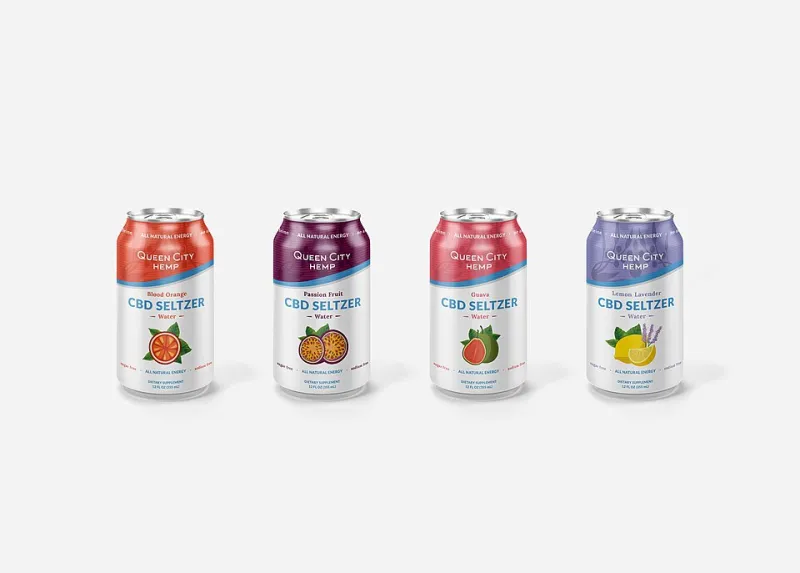
Photo: Mclark25, CC BY-SA 4.0, via Wikimedia Commons
A few years ago, bringing cannabis drinks to a dinner party meant explaining yourself. In 2026, it means explaining which can is the 2-milligram one and which one will leave your cousin staring at the wall for three hours. THC beverages have moved from novelty to normal in a lot of American social spaces, and the pitch is simple: a drinkable buzz that feels more like a glass of wine than a bong rip. Sometimes that pitch is accurate. Sometimes it is marketing with a nice label.
This is not a love letter to cannabis drinks, and it is not a hit piece. It is a practical, slightly skeptical guide for people who are sober-curious, weed-curious, or just tired of paying eleven dollars for a cocktail that tastes like a candle. Drinks can be great. They can also be a sneaky way to get way higher than you intended. The difference is usually dose, patience, and knowing what you actually bought.
Why Drinks Hit Different
Smoke and vapor hit fast because cannabinoids go straight to the bloodstream through the lungs. Drinks take the scenic route. THC has to go through your digestive system, get processed by your liver, and then enter circulation. That means a longer wait and a different kind of high. Many people describe edible and drink highs as more body-heavy, more gradual, and longer-lasting than smoked highs.
The twist with modern drinks is that some use nano-emulsion or similar tech to make cannabinoids water-soluble and faster-absorbing. That can shave the onset time down compared with a brownie, but it does not make the drink instant. You might feel something in 15 to 30 minutes, or it might take closer to an hour. The label may say fast-acting. Your metabolism did not sign that contract.
The Dose Is the Whole Game
The biggest mistake with THC drinks is treating them like beer. A 5-milligram THC seltzer is not a light lager. It is a dose of a psychoactive drug, and for plenty of people, 5 milligrams is a solid, noticeable buzz. For someone with low tolerance, it can be too much. For a daily user, it might feel like a warm-up.
The smart move is to start lower than you think you need. If you are new to drinks, 2 to 3 milligrams is a reasonable first test. Wait at least an hour, preferably closer to 90 minutes, before deciding to have more. The classic rookie error is drinking one, feeling nothing after 20 minutes, drinking another, and then meeting the first one on the stairs.
Also read the whole label. Some cans contain multiple servings. Some are 10 milligrams per container. Some are 5 milligrams per can but 100 milligrams per four-pack. The numbers matter. So does the type of cannabinoid. A drink with THC and CBD will feel different from a drink with just THC. A drink with a high dose of minor cannabinoids is not automatically gentle.
The Bar and Dinner Party Test
Bars are making room for THC drinks because the economics work. They cost less than a lot of cocktails, they are easy to serve, and they give nondrinkers something more interesting than soda water. Dinner parties are making room because a tray of low-dose cans is a lot less fuss than rolling joints on the patio.
But social settings come with social pressure. If everyone is drinking alcohol and you are holding a THC seltzer, you may end up drinking it faster than you planned. Treat it like a cocktail. Sip it. Put it down. Alternate with water. Do not chain-drink three because they taste like grapefruit and you forgot they were supposed to be recreational.
And be careful with mixing. Alcohol and THC can amplify each other in ways that are not always fun. If you are drinking both, go slower than you would with either one alone. If you are driving, do not drink and drive, and do not assume a THC drink is somehow safer behind the wheel. It is not.
Where the Hype Overpromises
Cannabis drinks are not a magic replacement for alcohol. They do not give you the same buzz, and they do not fit every social occasion. They can also be expensive per dose, especially the nicer microdosed brands. Some taste great. Some taste like a melted vitamin with a hint of lime. The category is still figuring itself out.
There is also a regulatory patchwork. Rules vary by state, and the legal status of hemp-derived THC drinks is a moving target in some places. In 2026, you can walk into a store in one state and find a cooler full of THC seltzers, then cross a border and find nothing but a sign that says no. That is not a reason to avoid drinks entirely. It is a reason to pay attention to where you are and what the local rules actually allow.
Build a Rotation Without Regret
THC drinks deserve a spot in the rotation if you like the high, the format, and the social ritual. They are especially good for people who want a gentle, slow-building buzz without smoke. They are less good for people who want instant gratification or who cannot resist finishing a can because it is cold and tastes nice.
A simple approach: keep a low-dose option for weeknights, a mid-dose option for weekends, and a hard rule that you do not drink more until the first one has had a fair chance to land. Buy singles before you buy a four-pack. Test at home before you test at a party. And do not let anyone tell you that a 10-milligram drink is basically a beer. It is not. It is a dose, and your body gets a vote.
The Last Sip
The cannabis beverage boom is real, but it is not a revolution in a can. It is a new way to consume, with its own rules, its own learning curve, and its own ways to go sideways. Treat drinks with the same respect you would give a strong edible or a stiff cocktail. Start low, wait long, read the label, and do not let the cute packaging talk you into a bad time. Done right, a THC seltzer can be one of the nicest ways to end a long day or start a slow dinner party. Done wrong, it is a two-hour lesson in patience. The choice is mostly yours.