When Your Taste Buds Go Numb: The Sensory Reset Every Cannabis Lover Actually Needs
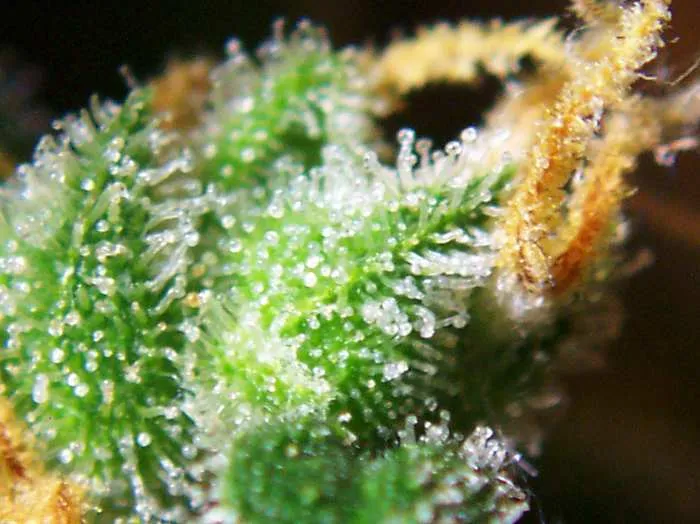
Photo: Unknown, CC BY-SA 3.0, via Wikimedia Commons
Here's something that doesn't get nearly enough airtime in cannabis circles: you can have a perfectly calibrated tolerance, feel all the effects you're looking for, and still be completely missing out on what's in your bowl. Not because your endocannabinoid system is overwhelmed — but because your nose and your tongue quietly checked out weeks ago.
Sensory adaptation is the culprit, and it's sneaky. Your brain is wired to stop paying attention to stimuli that repeat without changing. That's why you stop smelling your own apartment the moment you walk in. It's efficient neurology, but it's terrible news for anyone trying to appreciate the difference between a citrusy Tangie and a fuel-forward Sour Diesel.
The good news? You don't need to white-knuckle through a full T-break to fix it. You need a palate reset — and those are a whole different animal.
What Sensory Adaptation Actually Does to Your Sessions
When you repeatedly expose your olfactory receptors to the same aromatic compounds — say, the myrcene and linalool in your go-to indica — those receptors literally downregulate. They fire less enthusiastically. Your brain interprets this as "nothing new here" and redirects attention elsewhere.
This is called olfactory fatigue, and it operates independently from the tolerance your CB1 receptors build toward THC. You could take a month off, come back with a completely reset endocannabinoid system, and still find that your first few sessions smell like... not much. Because your nose adapted to the aromatic patterns of cannabis as a category, not just to one specific strain.
Taste follows a similar path. The volatile terpenes that give cannabis its flavor complexity — limonene's bright citrus, pinene's forest-floor sharpness, caryophyllene's peppery edge — are genuinely subtle. When your sensory system is fatigued, these compounds register as a vague "weed taste" rather than a layered aromatic experience. You're essentially listening to a symphony through a wall.
How the Pros Keep Their Palates Alive
Professional cannabis sommeliers — yes, that's a real and growing career path — face this problem constantly. Many of them consume daily, sometimes multiple times a day, as part of their work. Yet their livelihoods depend on being able to distinguish terpene profiles with precision.
So what do they actually do?
Strategic aromatic breaks. Rather than abstaining from cannabis entirely, experienced tasters will avoid smelling or consuming it for 20 to 45 minutes before a formal evaluation session. This short window is often enough to let the most fatigued receptors partially recover. It's the same logic that perfumers use — you've probably heard the trick of sniffing coffee beans to "reset" your nose between fragrances. (Fun fact: that's mostly a myth. The real reset is just fresh, neutral air and time.)
Rotating aromatic environments. Sommeliers often deliberately expose themselves to contrasting scent profiles throughout the day — citrus, herbs, woods, spices — not to overwhelm the palate, but to keep different receptor pathways active and primed. Your olfactory system is more plastic than most people realize. You can train it, and you can maintain it.
Temperature and humidity awareness. Dry environments crush your ability to smell. Professional tasting rooms often maintain specific humidity levels because moisture helps volatile aromatic molecules travel from the sample to your receptors. If you're hitting a dry pipe in a heated apartment in January, you're fighting your environment as much as your biology.
Mindful consumption windows. Many serious tasters schedule their most discerning sessions early in the day, before their sensory system has logged hours of input. Morning palates — assuming you haven't already smoked — tend to be sharper and more responsive.
Practical Micro-Reset Strategies That Don't Require Full Abstinence
You don't have to be a professional to benefit from these techniques. Here's what a realistic palate maintenance routine looks like for the everyday enthusiast:
Take a 48-hour aromatic break, not a 30-day tolerance break. Two days without cannabis exposure — especially without being in environments where it's burning around you — is often enough to meaningfully reduce olfactory fatigue. You'll likely notice the difference the next time you crack a fresh jar.
Switch product formats deliberately. If you've been smoking flower exclusively, try a vaporizer at a lower temperature for a week. Lower-temp vapor preserves more of the aromatic compounds that combust away in a joint, and the different delivery method can wake up sensory pathways that have gone quiet.
Introduce contrast into your sensory diet. Spend a week being intentional about what you smell and taste outside of cannabis. Fresh herbs at the grocery store. A good cup of single-origin coffee. Citrus zest. This isn't woo-woo stuff — you're essentially cross-training your olfactory receptors.
Slow down and actually smell your weed before you smoke it. This sounds obvious, but most people skip it. Spend 30 seconds with a fresh nug before it goes anywhere near heat. Crush a small piece gently between your fingers and inhale slowly. Your brain needs time to register complexity — rushing straight to the sesh means you're skipping the most information-rich moment in the whole experience.
Hydrate aggressively before tasting sessions. Dehydration reduces saliva production, which in turn dulls your ability to detect flavor compounds on the palate. A tall glass of water 15 minutes before a session does more for your tasting ability than most people expect.
The Mindset Shift That Makes All of This Click
Here's the reframe that ties it together: most cannabis culture conversation treats your sensory experience as a passive byproduct of the consumption. You smoke, you taste what you taste, end of story. But your senses are dynamic systems that respond to how you use them — or don't use them.
Tolerance breaks are about giving your receptors a chemical rest. Palate resets are about giving your perception system a chance to recalibrate so it can actually do its job. Both matter, but only one of them restores your ability to notice that your new batch of Zkittlez tastes like actual tropical fruit candy instead of just "some weed."
The cannabis market in the US is more sophisticated than it's ever been. Craft growers are doing genuinely remarkable work with terpene expression. Dispensary menus are deeper and more varied than most people bother to explore. It'd be a shame to experience all of that through a sensory fog you didn't even know you were walking around in.
Reset your palate. Your next session will thank you.