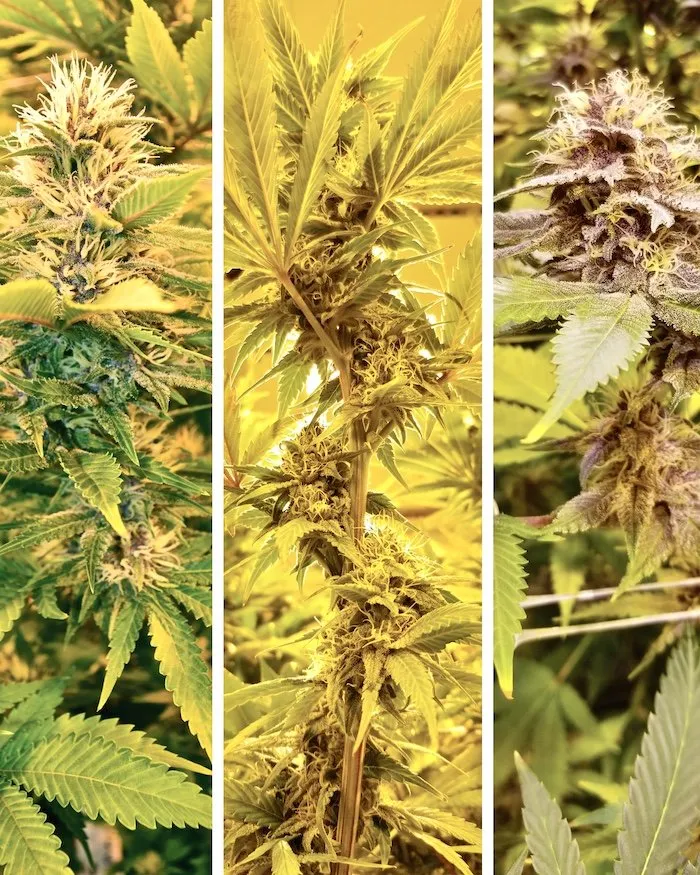
So You Want to Grow Your Own: A Real-Talk Beginner's Guide to Home Cannabis Cultivation
Somewhere along the way, growing your own cannabis became this intimidating, expert-only endeavor — buried under hydroponic jargon, expensive equipment recommendations, and enough Reddit threads to fill a library. Meanwhile, people are out here successfully keeping houseplants alive and wondering why a cannabis plant feels so out of reach.
Here's the thing: cannabis is called "weed" for a reason. It's resilient, adaptable, and under the right basic conditions, it genuinely wants to grow. The barrier isn't really horticultural. It's informational. So let's fix that.
This isn't a textbook. It's a starting point — the kind of honest overview a knowledgeable friend would give you before you spend $400 on gear you don't need.
First Things First: Is It Even Legal Where You Are?
Before you buy a single seed, you need to know your state's rules. Home cultivation laws vary wildly across the US, and getting this wrong isn't just an inconvenience — it can have real legal consequences.
As of 2024, home growing is permitted for adults in many legal states, but the specifics differ significantly:
- California, Colorado, Michigan, Oregon, and Nevada generally allow up to 6 plants per adult (sometimes per household, sometimes per person — check your specific state law).
- Illinois and New York permit home cultivation, but with certain restrictions around plant counts and visibility.
- Some states like Washington have historically prohibited home grows even while allowing recreational sales — though this has been evolving.
- Federally, cannabis remains a Schedule I controlled substance, meaning interstate transport of plants or seeds is still illegal regardless of state law.
The short version: Google "[your state] home cannabis cultivation law 2024" and read an official or reputable legal source before you do anything else. Don't take a friend's word for it. Laws change, and so do enforcement priorities.
The Two Paths: Indoor vs. Outdoor
Once you're legally cleared, your first major decision is where these plants are actually going to live.
Growing Outdoors
Outdoor growing is cheaper, simpler, and often produces higher yields — but it's entirely dependent on your climate and geography. Cannabis is a photoperiod plant (meaning it flowers based on light cycles), and outdoor grows in most of the US are seasonal: you plant in spring after the last frost, and harvest in the fall before temperatures drop.
Best US regions for outdoor growing: The Pacific Northwest, Northern California (classic for a reason), the Southwest, and much of the Southeast all offer viable growing seasons. The Midwest and Northeast can work too — you're just working with a tighter window.
What you need to start outdoors: Quality soil, a sunny spot with at least 6 hours of direct light daily, containers or a garden bed, nutrients, and water. That's genuinely most of it for a basic grow.
Growing Indoors
Indoor growing gives you complete control over environment and lets you grow year-round — but that control comes at a cost. You're essentially building a miniature sun-and-climate system from scratch.
Realistic space options:
- A small grow tent (2x2 or 2x4 ft): Perfect for 1-4 plants. Quiet, contained, manageable. This is where most beginners should start.
- A spare closet or bedroom: More plants, more yield, more complexity. Better once you have a grow or two under your belt.
- A basement or dedicated room: Full-scale operation. Not a beginner scenario.
Basic indoor equipment list (for a starter tent setup):
- Grow tent
- LED grow light (quantum board LEDs are the current gold standard for efficiency and heat management)
- Inline fan and carbon filter (for smell — and trust us, you need this)
- Growing medium (quality potting mix or coco coir)
- Containers with drainage
- pH meter and pH-up/down solution
- Basic nutrients formulated for cannabis
- Timer for your lights
Budget realistically for $300–$600 to set up a solid beginner indoor space. You can go cheaper, but cutting corners on lighting or ventilation tends to bite you.
Choosing Your First Strains
Not all strains are equally forgiving for new growers. When you're starting out, you want plants that are resilient, relatively fast-finishing, and don't require a PhD to keep happy.
Great beginner strains:
- Northern Lights – Compact, forgiving, fast flowering, and famously hardy
- Blue Dream – Slightly taller but very vigorous and resistant to common issues
- White Widow – Classic for a reason; tolerates beginner mistakes without throwing a fit
- Auto-flowering varieties – These flower based on age rather than light cycle, making them simpler for indoor beginners and ideal for shorter outdoor seasons in northern states
For your first grow, seriously consider autoflowers. They're faster (typically 70–90 days seed to harvest), smaller, and eliminate the need to manage light schedules. The yields are lower than photoperiod plants, but the learning curve is gentler.
The Grow Timeline: What to Actually Expect
One of the biggest beginner misconceptions is timeline. People plant seeds expecting to be smoking in six weeks. Here's the reality:
- Germination: 2–7 days
- Seedling stage: 2–3 weeks
- Vegetative stage: 3–8 weeks (depends on how big you want the plant)
- Flowering stage: 7–11 weeks depending on strain
- Drying and curing: 2–4 weeks minimum (this step matters enormously for quality)
Total realistic timeline from seed to smokeable: 4–6 months for photoperiod plants, 3–4 months for autoflowers.
Realistic yield from a beginner indoor grow with one or two plants? Somewhere in the range of 1–3 ounces per plant is a reasonable first-timer expectation. Experienced growers can pull significantly more from the same setup, but that comes with practice.
The Most Common Beginner Mistakes (And How to Skip Them)
Overwatering. It's the number one killer of beginner plants. Cannabis roots need oxygen. Let the top inch or two of soil dry out before watering again. If in doubt, wait.
Over-feeding nutrients. More nutrients ≠ better plants. Nutrient burn is a very real thing, and most beginners do more damage by feeding too aggressively than by under-feeding. Start at half the recommended dose.
Ignoring pH. Cannabis is picky about pH levels in its root zone (ideally 6.0–7.0 in soil, 5.5–6.5 in hydro or coco). Water that's too acidic or alkaline locks out nutrients even if they're present. Get a pH meter. Use it.
Harvesting too early. Everyone is impatient. But harvesting before the plant is fully mature means lower potency and reduced yield. Learn to check trichomes with a jeweler's loupe or small microscope — you want mostly milky/cloudy trichomes with some amber for peak harvest timing.
Skipping the cure. Properly dried and cured cannabis smokes smoother, tastes better, and stores longer. Don't rush it. Two weeks of curing in glass jars with daily burping is the minimum.
Is It Worth It?
Honestly? That depends on what you're after. Growing your own cannabis isn't necessarily cheaper than buying from a dispensary when you factor in startup costs and time. But for a lot of people, that's not the point.
There's something genuinely satisfying about understanding where your cannabis comes from — nurturing a plant through its full lifecycle and then experiencing the thing you grew. It deepens your appreciation for the craft and gives you a connection to the plant that no dispensary transaction can replicate.
Start small. Be patient. Accept that your first grow will be a learning experience more than a masterpiece. And know that every experienced grower you admire started exactly where you are right now — Googling stuff and hoping for the best.
Welcome to the grow life.