Hungry or Not? The Real Cannabinoid Science Behind Strains That Feed the Beast — and Strains That Tame It
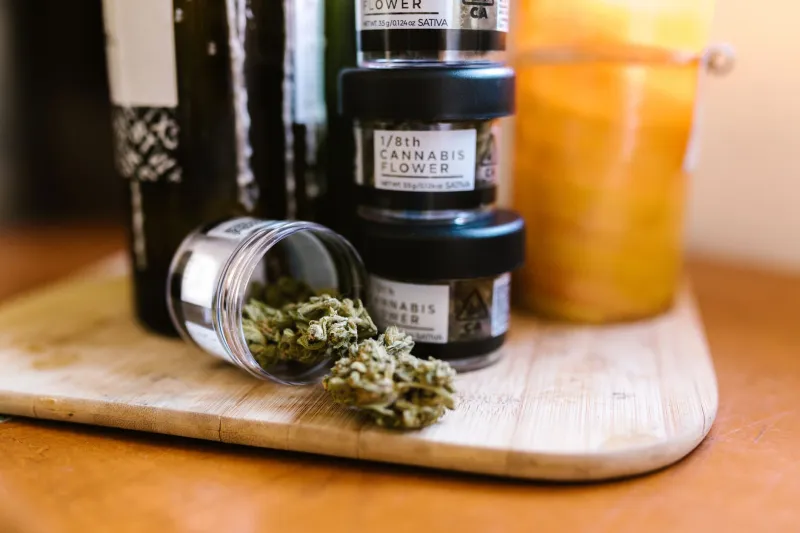
Let's get one thing straight: the munchies are real, documented, and scientifically explainable. But here's what most people get wrong — they assume all weed makes you want to eat a second dinner. It doesn't. And once you understand the actual biology going on, you'll start picking strains way more intentionally, whether your goal is a relaxed snack session or a focused afternoon where you'd rather not vacuum the pantry.
Why THC Turns Your Brain Into a Vending Machine
The classic munchies story starts with THC and your endocannabinoid system (ECS). Your ECS is this sprawling network of receptors throughout your brain and body that helps regulate everything from mood to pain to — you guessed it — hunger. THC is particularly good at binding to CB1 receptors, which are densely packed in the hypothalamus, the brain region that controls appetite and satiety.
When THC locks onto those CB1 receptors, a couple of wild things happen simultaneously. First, it triggers the release of ghrelin, often called the "hunger hormone," even when your stomach is perfectly full. Second — and this one is genuinely fascinating — THC actually flips a specific set of neurons in the hypothalamus that would normally suppress appetite into ones that stimulate it. Scientists at Yale confirmed this mechanism in research that showed pro-opiomelanocortin (POMC) neurons, which typically signal fullness, start firing hunger signals when THC is present. It's essentially a neurological switcheroo.
On top of that, THC amplifies your olfactory and taste sensitivity. Food doesn't just smell good — it smells impossibly good. That's not a placebo. That's chemistry.
Enter THCV: The Cannabinoid That Hits the Brakes
Here's where things get genuinely counterintuitive. Not every cannabinoid plays the same game. THCV — tetrahydrocannabivarin — is structurally similar to THC but behaves very differently at your CB1 receptors. At lower doses, THCV actually blocks those receptors rather than activating them. Instead of triggering the hunger cascade, it blunts it.
Early research, including studies out of the UK and a notable 2013 paper published in Psychopharmacology, found THCV showed appetite-suppressing properties and even potential benefits for metabolic function. That's why THCV has been floated in wellness circles as a possible tool for weight management — though it's worth noting the research is still developing and we're not handing out medical advice here.
Strains naturally higher in THCV tend to be African sativas — think Durban Poison, which consistently shows up with measurable THCV content, or Doug's Varin, a variety specifically bred to maximize it. If you've ever smoked a sharp, energetic sativa and noticed you didn't reach for snacks the way you expected, THCV might be part of that story.
CBD's Complicated Relationship with Hunger
CBD is the chill, non-intoxicating cannabinoid everyone knows by now. But its relationship with appetite is genuinely complicated — and it depends heavily on context.
Unlike THC, CBD doesn't bind strongly to CB1 receptors. It actually modulates the ECS more indirectly, and some research suggests it can counteract some of THC's appetite-stimulating effects when the two cannabinoids are present together. This is part of the entourage effect conversation — the idea that cannabinoids work differently in combination than they do in isolation.
In high-CBD, low-THC products, many users report less of the ravenous hunger associated with THC-dominant strains. CBD-dominant varieties like Harlequin, ACDC, or Ringo's Gift are frequently cited by consumers who want functional, clear-headed experiences without the snack spiral. That said, CBD appears to increase appetite in certain populations — particularly in clinical settings involving nausea or illness — so this isn't a one-size-fits-all answer.
The takeaway: if munchie management matters to you, the THC-to-CBD ratio in your product is worth paying attention to.
Terpenes Are Playing a Role Too
Cannabinoids get most of the spotlight, but terpenes — the aromatic compounds that give strains their distinct smells and flavors — also influence the overall experience, including how hungry you feel.
Humulene is probably the most relevant terpene in this conversation. Found in hops, coriander, and basil, humulene has shown appetite-suppressing properties in preclinical research. Strains higher in humulene — like White Widow, Skywalker OG, and Headband — may contribute to a less food-obsessed experience. Interestingly, humulene is also anti-inflammatory, which is part of why it shows up in a lot of wellness-focused discussions.
On the flip side, myrcene — the most common terpene in commercial cannabis, with that earthy, musky smell — tends to enhance THC's sedative and appetite-stimulating effects. If a strain is myrcene-heavy and THC-dominant, you're probably ordering pizza.
Limonene, the citrusy terpene in strains like Super Lemon Haze, has been linked to mood elevation and may play a subtle role in reducing stress-driven eating. It's not a dramatic appetite suppressant, but it's part of the bigger picture.
Choosing Your Strain Strategically
So how do you actually use this information at the dispensary? Here's a practical framework:
If you want to enhance appetite (recovering from illness, dealing with nausea, or just genuinely want a snack-friendly sesh):
- Go THC-dominant, indica-leaning
- Look for high myrcene content
- Strains like Wedding Cake, Gelato, or any heavy OG lineage will do the job
If you want to stay focused and skip the munchies:
- Seek out sativa-dominant strains with known THCV content — Durban Poison is your best widely-available bet
- Look for humulene-forward terpene profiles
- Consider a higher CBD-to-THC ratio product
- Strains like Jack Herer, Green Crack, or Pineapple Express tend to produce less of the ravenous hunger response for many users
Ask your budtender specifically about THCV content. Not every dispensary tracks it, but the good ones will know which products in their inventory have been tested for minor cannabinoids. As the market matures, THCV-specific products are becoming more available — keep an eye out.
The Bigger Picture
The munchies myth isn't that weed makes you hungry — it absolutely can and does. The myth is that this is inevitable, universal, and uncontrollable. It's not. Your appetite response to cannabis is shaped by the specific cannabinoid profile you're consuming, the terpenes present, your individual biology, your tolerance level, and even your mindset going in.
Understanding the science doesn't just make you a more informed consumer — it puts you in the driver's seat of your own experience. Whether you're trying to make the most of a lazy Sunday with good food and good vibes, or you're trying to stay sharp and productive without raiding the kitchen, there's a strain profile that fits your goal.
That's the whole point of digging into this stuff. Cannabis is not a monolith. It's a deeply complex plant with dozens of active compounds, and the more you understand how those compounds interact with your body, the better every session gets.

