Decode Your Weed's Report Card: What Those Lab Numbers Are Actually Telling You
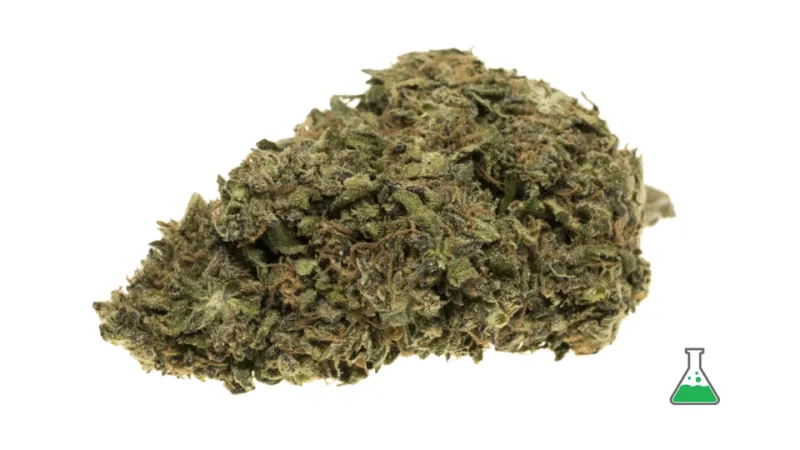
Photo: Lab Tested, CC BY-SA 4.0, via Wikimedia Commons
Let's be honest. Most of us glance at the THC percentage on a jar, decide it's either impressive or disappointing, and move on. That QR code on the label? Probably never scanned. The Certificate of Analysis (COA) tucked behind it? Basically invisible.
That's a shame, because that document is quietly one of the most useful tools available to any cannabis consumer in a legal market. It tells you what's actually in your weed — not just what the brand wants you to believe is in it. Once you know how to read one, you'll never shop the same way again.
What Even Is a COA?
A Certificate of Analysis is a third-party lab report that legal cannabis products are required to carry in most regulated US states. The key phrase there is third-party — meaning the testing isn't done by the grower or the brand, but by an independent, accredited laboratory.
Think of it like a nutritional label, except instead of calories and sodium, you're looking at cannabinoid percentages, terpene profiles, and contamination screening results. A legitimate COA should include the name of the testing lab, the batch or lot number, the date the sample was tested, and a breakdown of what was found (and what wasn't).
If a product doesn't have a COA, or if the COA links back to the brand's own website with no verifiable lab credentials? That's a red flag worth taking seriously.
The Cannabinoid Panel: More Than Just THC
The cannabinoid section is where most people stop reading — and where most people stop too early.
Yes, THC (technically THCA before decarboxylation) is listed here, and yes, it matters. But chasing the highest THC number is like ordering wine purely based on alcohol content. It's a metric without much context on its own.
Here's what else to look for:
- THCA vs. Delta-9 THC: THCA is the raw, unactivated form. When you apply heat, it converts to Delta-9 THC. Labs often list both. The total THC calculation typically looks like: Total THC = (THCA × 0.877) + Delta-9 THC. That's the number that actually reflects what you'll experience.
- CBD and CBDA: Even in high-THC flower, a small CBD presence can meaningfully affect how the high feels — often smoothing out anxiety edges.
- CBG: Sometimes called the "mother cannabinoid," CBG is showing up more in modern strains and is associated with focus and anti-inflammatory properties.
- CBN: Usually appears in aged or degraded cannabis. Higher CBN can signal the product has been sitting around for a while — useful intel.
A well-rounded cannabinoid panel gives you a chemical fingerprint of the experience waiting for you. Pay attention to the whole picture, not just the headline number.
The Terpene Profile: Your Mood Forecast
If the cannabinoid panel tells you how strong something is, the terpene panel tells you what kind of strong you're in for.
Terpenes are the aromatic compounds responsible for flavor, scent, and — increasingly, researchers believe — a significant chunk of the experiential effect. A COA from a quality lab will list individual terpenes with their percentages. Here's a quick cheat sheet:
- Myrcene (earthy, musky): Associated with sedation and body relaxation. High myrcene content is a solid indicator of couch-lock potential.
- Limonene (citrus): Often linked to mood elevation and stress relief. Great for daytime use.
- Caryophyllene (spicy, peppery): The only terpene known to interact directly with CB2 receptors. Anti-inflammatory properties, with a calming quality.
- Linalool (floral, lavender): Think relaxation and anxiolytic effects. Common in strains marketed for stress or sleep.
- Pinene (pine): May counteract some short-term memory impairment from THC. Energizing and clarifying.
Total terpene percentage matters too. Anything above 2% is generally considered aromatic and expressive. Below 1%? You might be dealing with older or poorly handled product. The terpenes are the first to degrade with improper storage.
The Safety Panels: The Part Nobody Reads But Absolutely Should
Here's where the COA goes from interesting to genuinely important.
Reputable labs screen for a battery of potential contaminants. These sections are often buried at the bottom of the report, but they're arguably the most critical:
Pesticides
Cannabis is a bioaccumulator — meaning it pulls in whatever's in the soil and the surrounding environment. Pesticide residues can concentrate in the flower. Look for a panel that tests for at least 60+ individual pesticide compounds. A passing result means each was either undetected or fell below the state's action limit. Any "FAIL" here is a hard stop.
Heavy Metals
Lead, arsenic, cadmium, mercury — again, cannabis absorbs these from contaminated soil. Not something you want in your lungs or bloodstream. Legitimate labs test for all four, and results should show concentrations in parts per million (ppm) or parts per billion (ppb).
Microbials
Mold, mildew, E. coli, Salmonella — cannabis can harbor all of these, especially if it was improperly dried or stored. This is particularly critical for immunocompromised users. A clean microbial panel isn't optional; it's the baseline.
Residual Solvents
More relevant for concentrates and extracts than flower, this panel checks for leftover chemical solvents from the extraction process — things like butane or ethanol. Even small amounts can cause harm over time.
How to Spot a Sketchy COA
Not all COAs are created equal. Here's how to tell if something's off:
- The lab isn't accredited: Legitimate testing labs in the US are ISO/IEC 17025 accredited. If you can't verify the lab's credentials independently, be skeptical.
- The test date is ancient: Cannabis degrades. A COA from 18 months ago doesn't tell you much about what's in the jar today.
- Missing panels: A COA that only shows cannabinoids and skips pesticides, metals, and microbials isn't a full picture — it's a highlight reel.
- Round numbers everywhere: Real analytical chemistry produces messy, specific numbers. If everything is suspiciously clean and round, that's worth questioning.
- No batch number: Every legitimate COA ties to a specific production batch. No batch number means you can't verify the report matches the product in your hand.
Making It Work at the Dispensary
You don't need to become a chemist to use this knowledge practically. Most dispensary menus now include QR codes that link directly to COAs — scan them before you buy, not after. Ask your budtender if they can pull up the full report for anything you're seriously considering.
Over time, you'll develop a shorthand for what you're looking for: a terpene profile that matches the experience you want, a safety panel with zero failures, and a cannabinoid spread that tells a coherent story. That's not nerdy — that's just being a smart consumer in a market that's finally giving you the information to make real choices.
The numbers are there. All you have to do is actually look at them.