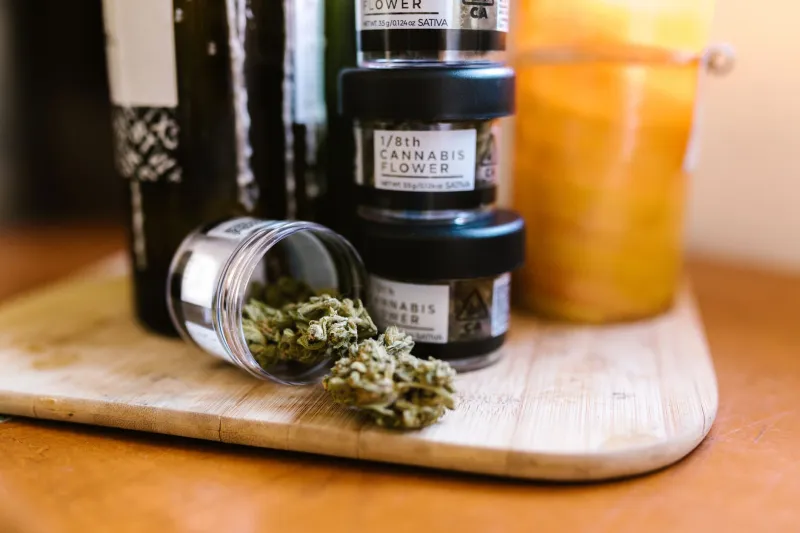
Blending Weed Like a DJ: How Mixing Strains Unlocks Effects Neither One Could Pull Off Alone
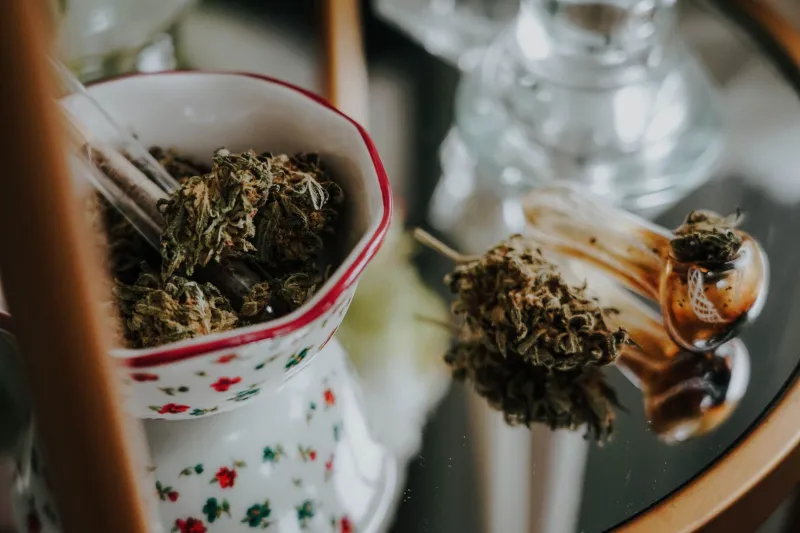
Think about what a DJ does. They don't just slap two songs together and hope for the best — they're reading the room, matching tempos, layering frequencies, building something that neither track could create on its own. Strain blending works the same way. When you combine two or more cannabis varieties in a single session, you're not just splitting the difference between their effects. You're creating a third thing entirely, something emergent, something new.
This isn't stoner mythology. There's real biochemistry behind it, and once you understand it, you'll never look at your flower collection the same way again.
The Entourage Effect, But Make It Intentional
You've probably heard of the entourage effect — the idea that cannabinoids and terpenes work better together than in isolation. Most of the conversation around this concept focuses on what's already inside a single strain. But experienced consumers and a growing number of researchers are starting to pay attention to what happens when you deliberately layer compounds from different strains.
Here's the basic idea: every strain carries its own cannabinoid profile (the ratios of THC, CBD, CBG, CBN, and others) and its own terpene fingerprint (the aromatic compounds that influence mood, energy, and physical sensation). When you blend two strains, those profiles merge. Terpenes from one strain can amplify or modulate the effects of cannabinoids from another. Ratios shift. New interactions emerge that simply weren't present in either plant alone.
Myrcene, for example — the earthy, musky terpene dominant in strains like Blue Dream and OG Kush — is thought to increase the permeability of cell membranes, potentially allowing cannabinoids to cross the blood-brain barrier more efficiently. Blend a high-myrcene indica with a more cerebral, limonene-forward sativa, and you might find the head effect comes on faster and settles into something warmer and more grounded than the sativa would've delivered solo.
Terpene Interactions: The Hidden Mixing Board
If cannabinoid ratios are the volume knobs, terpenes are the EQ. And the combinations get interesting fast.
Pinene + THC-heavy strains: Alpha-pinene, found in strains like Jack Herer and Dutch Treat, is being studied for its potential to counteract some of THC's short-term memory effects. Blending a pinene-rich strain with a heavy THC variety might soften the foggy, scattered feeling some people get from high-potency flower — keeping you elevated but a little more clear-headed.
Linalool + CBG strains: Linalool (the same terpene that makes lavender relaxing) pairs interestingly with cannabigerol. Some consumers report that blending a linalool-dominant strain with a CBG-forward variety produces a calm, focused state that's distinct from the sedation of a typical indica or the buzz of a typical sativa.
Caryophyllene + CBD: Beta-caryophyllene is unique because it actually binds to CB2 receptors — it's technically a cannabinoid that happens to also be a terpene. Combine a caryophyllene-heavy strain with a high-CBD variety and you've got a stack of anti-inflammatory, body-relaxing compounds hitting multiple receptor pathways simultaneously.
None of this is exact science yet — cannabis research in the US is still catching up after decades of prohibition. But the anecdotal evidence from experienced consumers is compelling enough to take seriously.
Real Talk: What Blenders Are Actually Discovering
Spend any time in enthusiast communities — Reddit's r/trees, local dispensary forums, or just talking to your budtender — and you'll find people who've been quietly mixing strains for years with surprisingly consistent results.
One common favorite in the Pacific Northwest community: combining Durban Poison (a bright, energetic sativa with a sweet anise-like profile) with a small amount of a mellow indica like Granddaddy Purple. The result, according to multiple longtime consumers, is a social, creative high with just enough body warmth to take the edge off the raciness that Durban can sometimes bring. Neither strain alone hits that particular sweet spot.
Another popular combo among creatives in the LA area: blending Girl Scout Cookies with a CBD-rich strain like ACDC or Ringo's Gift. The idea is to keep the euphoric, slightly psychedelic quality of GSC intact while dialing back the anxiety ceiling — letting the creative headspace breathe without the occasional paranoia spike.
These aren't accidents. They're the result of iterative experimentation, paying attention, and actually tracking what works.
How to Start Building Your Own Blends
You don't need a lab coat or a terpene spectrometer. You need curiosity, a decent baseline knowledge of your own reactions to individual strains, and a willingness to take notes.
Start with ratios, not just varieties. A 70/30 blend of your base strain to your modifier is a good starting point. Don't go half-and-half right away — you want to hear the dominant voice clearly before you start layering harmonics.
Know your individual strains first. Never blend two strains you haven't experienced separately. You need a baseline. If you don't know how Strain A affects you on its own, you won't know what Strain B is contributing to the mix.
Think in terms of what you're solving for. Are you trying to add body relaxation to a heady sativa? Brighten up a heavy indica? Smooth out a high-THC strain that sometimes spikes your anxiety? Each goal points toward a different kind of modifier.
Keep a blend journal. Seriously — write it down. Strain A + Strain B, ratio, method of consumption, time of day, setting, effects. After a few sessions you'll start seeing patterns that are genuinely useful. (If you want a deeper dive on journaling methodology, we've covered that territory before on StonerWiki.)
Don't overlook the method. A blend smoked in a joint behaves differently than the same blend packed into a dry herb vaporizer. Temperature changes which terpenes volatilize first, which affects the onset experience. Vaping tends to let you taste and feel the terpene profile more distinctly before the heat climbs.
The Limits of the Mix
Blending isn't magic, and it's not without its complications. Combining two high-THC strains doesn't produce some kind of balanced, mellow experience — it produces a very strong high. If you're sensitive to THC, adding more THC from a different cultivar doesn't change that math.
Also worth noting: inconsistency is real. Two samples of the same strain from different harvests or different growers can have meaningfully different terpene profiles. If you find a blend that works beautifully, document the specific products you used, not just the strain names.
And finally — start low, especially with new combinations. The synergistic effects can be stronger than you expect, in ways that aren't always comfortable if you're not prepared for them.
The Bottom Line
Strain blending is one of the most underrated practices in cannabis culture, and it's sitting right there waiting for anyone curious enough to try it. The science is still developing, but the experiential evidence is stacking up: combining strains thoughtfully can produce effects that are genuinely distinct from anything either plant delivers on its own. It's creative, it's personal, and it gives you a level of control over your experience that single-strain consumption simply can't match.
Think of your flower collection less like a menu and more like a pantry. The real cooking starts when you start combining ingredients.