Method Matters: Why Your Palate Needs a Full Reset Between Smoking, Vaping, Dabbing, and Edibles
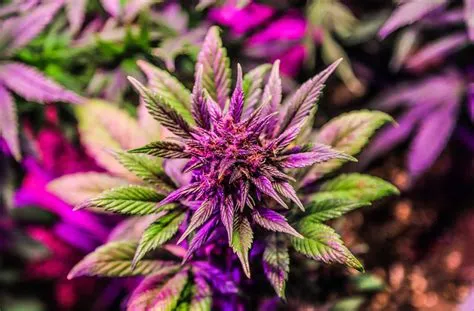
Photo: cannabis concentrate dab rig next to vaporizer and joint on wooden table, via nanohemptechlabs.com
Most cannabis enthusiasts who care about flavor have heard the advice: cleanse your palate between strains. Drink some water, eat a plain cracker, give your nose a break. Good advice. But here's the thing — that guidance barely scratches the surface of what's actually happening to your taste system when you move between consumption methods.
Going from a combusted joint to a low-temp dab isn't just a vibe shift. It's like asking your tongue to evaluate a delicate Riesling immediately after you've been sipping dark roast coffee. The residue left behind by one method actively distorts your perception of the next. And if you're someone who actually cares about what you're tasting — the floral high notes of a Papaya, the sharp diesel of a Sour Diesel concentrate — this matters a lot more than most people realize.
What Each Method Actually Leaves Behind
Let's start with the basics. Your taste receptors and olfactory system don't just process flavor in real time and reset automatically. They get coated, fatigued, and temporarily recalibrated by whatever you just consumed. Different consumption methods create distinctly different residue profiles.
Combustion (joints, pipes, blunts): Smoking cannabis produces hundreds of combustion byproducts beyond cannabinoids and terpenes. Carbon compounds, tar-adjacent particulates, and the residual burn from rolling papers or wrap tobacco all coat the mucous membranes in your mouth and nasal passages. This creates a kind of smoky film that mutes delicate terpene perception for a meaningful window of time — sometimes 20 to 45 minutes depending on how much you smoked.
Vaping (flower vaporizers): Vaping is cleaner, but it's not neutral. Vaporized terpenes are actually more present and concentrated in the vapor than in smoke, which means your receptors are getting a heavier aromatic coating from specific terpene families. If you just vaped a heavy myrcene-dominant strain, that earthy, musky baseline is sitting on your palate and will suppress your ability to detect lighter, more volatile terpenes like terpinolene or ocimene in whatever you try next.
Concentrates and dabs: This is where things get genuinely intense. High-quality concentrates — live resin, rosin, sauce — carry extraordinarily dense terpene loads. A single dab can deposit more aromatic compounds on your taste receptors than an entire bowl of flower. The good news is that with a clean rig and proper temperatures, combustion byproducts aren't part of the equation. The bad news is that terpene saturation is real and hits hard. Going into a dab session after smoking is arguably the worst pairing — the combustion residue from smoking literally interferes with your ability to detect what makes a great concentrate great.
Edibles: Edibles are the wildcard here. They don't interact with your taste receptors during the experience in the same acute way — but the digestive process and the way cannabinoids metabolize into 11-hydroxy-THC can create lingering sensory alterations that affect subsequent sessions. More practically, the foods you consume with edibles (and the edibles themselves, which are often sweet or rich) coat your palate in ways that have nothing to do with cannabis chemistry but everything to do with your ability to taste afterward.
The Science of Terpene Saturation
Your olfactory receptors — the real workhorses of flavor perception, since taste is mostly smell — operate on a saturation principle. When a specific receptor family gets overwhelmed by one aromatic compound, it temporarily downregulates its sensitivity to that compound and similar ones. This is why you stop noticing your own perfume after wearing it for an hour.
Apply that to cannabis: if you've just vaped a limonene-heavy sativa, your citrus-detecting receptors are running on fumes. Drop into a lemon-forward live resin right after? You're going to miss half of what makes it special. The terpene is there. Your hardware just can't read it accurately right now.
Combustion adds another layer because it introduces non-terpene compounds that broadly suppress receptor sensitivity — it's not just one receptor family getting saturated, it's more of a blunt-force sensory dulling across the board.
Method-Specific Reset Protocols
The good news: there are targeted ways to reset depending on what you just consumed. Generic advice doesn't cut it here.
After smoking (combustion reset): This requires the most aggressive approach. Rinse your mouth with room-temperature water first — cold water can temporarily numb receptors. Follow with a few plain, unsalted crackers or a small piece of plain bread to absorb surface residue. Give your nasal passages a break by breathing through your nose slowly for a few minutes. Coffee beans, the classic sommelier's trick, can help reset your nose between heavily aromatic experiences, though some people find them overpowering. Most importantly: wait. A genuine post-combustion reset takes 20 to 30 minutes minimum.
After vaping (terpene saturation reset): Because the issue here is terpene-specific rather than broad combustion residue, you can reset faster — but you need to be strategic. Smell something aromatic that's outside the terpene family you just experienced. Fresh citrus peel works well after a myrcene-heavy session. Plain water and a short walk in fresh air to clear your nasal passages can accelerate the process significantly. Ten to fifteen minutes is usually enough.
After dabbing (intense terpene reset): Given the density of terpene exposure, treat this more like a combustion reset in terms of time. The absence of combustion byproducts means your mucous membranes aren't dealing with tar-adjacent coating, but your olfactory receptors are genuinely saturated. Plain water, fresh air, and ideally 20 minutes before moving to a different method. If you're going from a dab to flower, this gap is non-negotiable if you actually want to taste the flower.
After edibles (the transition reset): Before any subsequent session, focus on clearing the actual food residue from your palate. Brush your teeth if it's been a while, rinse with water, and avoid jumping straight from a rich brownie or gummy into a delicate flower vape. The cannabis-specific sensory effects of edibles don't really interfere with your palate the way inhalation methods do — but the food component absolutely does.
Why the Method Sequence Matters
If you're planning a multi-method session — say, starting with flower and finishing with a concentrate — think about sequencing intentionally. Move from lighter to more intense: flower before concentrates, not the other way around. That's not a hard rule, but it mirrors the logic of tasting menus, where you save the richest courses for last.
And if you're trying to genuinely evaluate something — a new strain, a fresh batch of rosin from your favorite producer, an edible you made from scratch — give yourself a clean slate. The experience you think you're having might be largely a ghost of whatever came before it.
Your palate is a precision instrument. Treat it like one.